
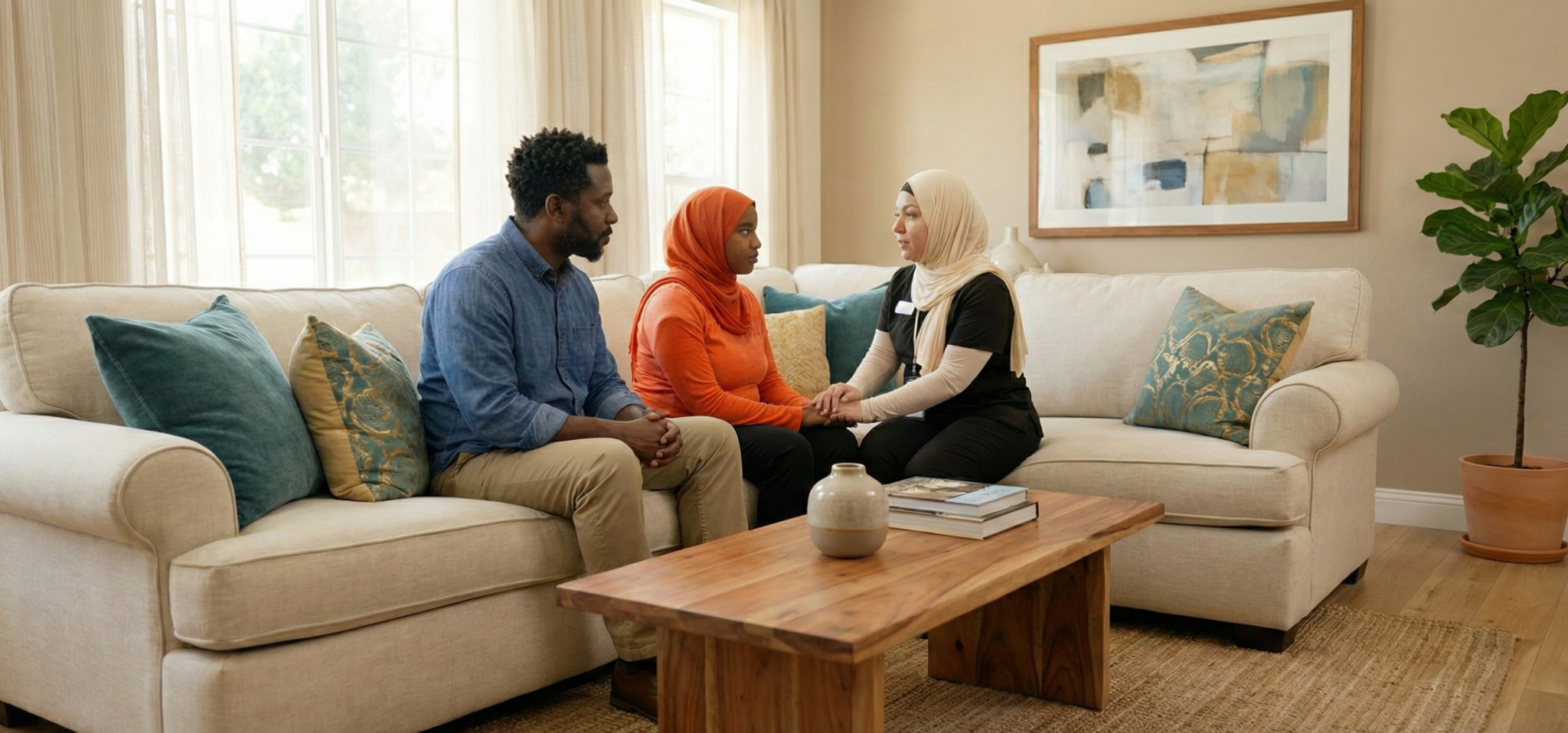
We provide specialist, trauma-informed support for children, young people, and young adults experiencing behavioural challenges, emotional dysregulation, interpersonal conflict, and the impacts of peer pressure. Our approach recognises that behaviour is a form of communication and that difficulties often reflect unmet emotional, social, or developmental needs rather than wilful misconduct.
Understanding Behaviour and Emotional Dysregulation
Emotional dysregulation may present as anger, withdrawal, impulsivity, anxiety, risk-taking behaviour, or difficulty managing relationships with peers and authority figures. These challenges can be linked to trauma, neurodiversity, unmet learning needs, family instability, or adverse life experiences. We focus on understanding the underlying drivers of behaviour, rather than responding solely to surface-level actions.
Through observation of body language, tone, emotional energy, and behavioural patterns, we identify triggers and stress responses. This insight allows us to support individuals in developing emotional awareness, self-regulation skills, and healthier coping strategies.
Conflict and Relationship Difficulties
Many young people we support experience ongoing conflict within school, home, or peer environments. This may include arguments, oppositional behaviour, social isolation, or involvement in negative peer groups. Our work supports individuals to:
- Recognise emotional triggers and escalation points
- Develop communication and conflict-resolution skills
- Understand consequences and personal responsibility
- Rebuild trust with peers, families, and professionals
We use structured mentoring to model positive interactions and support more constructive responses to challenging situations.
Peer Pressure and Risk-Related Behaviour
Peer pressure can significantly influence behaviour, particularly during adolescence and early adulthood. Individuals may engage in risky or harmful behaviours to seek acceptance, avoid rejection, or manage low self-esteem. We support young people to develop:
- Confidence and self-identity
- Decision-making and boundary-setting skills
- Critical thinking around influence and consequences
- Strategies to resist negative peer dynamics
Our approach empowers individuals to make choices aligned with their values and long-term goals.
Delivery and Support Model
Our services are person-centred, adaptive, and outcome-focused, delivered through one-to-one mentoring, progress advising, and structured interventions. Support plans are regularly reviewed and adjusted to reflect progress and changing needs. We work collaboratively with families, schools, youth services, and commissioning bodies to ensure consistency and impact.
Outcomes and Impact
Our work aims to deliver measurable improvements, including:
- Reduced behavioural incidents and escalation
- Improved emotional regulation and self-awareness
- Healthier peer relationships and reduced conflict
- Increased engagement in education, training, or employment
- Stronger resilience and positive decision-making